Textile Dyeing: Processes and Techniques
Textile dyeing is one of the most essential and transformative processes in the production of fabrics and garments. It involves the application of color to textile materials with the aim of achieving an even and lasting hue that meets aesthetic and functional requirements. Throughout history, dyeing has evolved from using natural plant-based pigments to advanced synthetic chemicals and digital technologies, making it a cornerstone of the textile industry. This article explores the fundamental processes and techniques used in textile dyeing, highlighting its significance, methods, and innovations.
Importance of Dyeing in Textiles
Dyeing plays a crucial role in the textile industry as it adds color and character to raw materials, making them suitable for a wide range of applications, from fashion and home furnishings to industrial uses. Beyond aesthetics, the quality of dyeing impacts a fabric’s durability, colorfastness, and resistance to external factors like washing, light exposure, and friction. Effective dyeing ensures that textiles maintain their visual appeal and performance over time.
Types of Dyes
Dyes used in the textile industry can be broadly categorized into natural and synthetic dyes:
- Natural Dyes: Derived from plants, animals, and minerals, natural dyes have been used for centuries. Examples include indigo (plant-based), cochineal (insect-based), and ochre (mineral-based). Natural dyes are eco-friendly and biodegradable but often offer limited colorfastness and variety compared to synthetic alternatives.
- Synthetic Dyes: Developed through chemical processes, synthetic dyes provide a wider spectrum of colors, greater consistency, and improved fastness properties. Common types include reactive dyes, direct dyes, acid dyes, disperse dyes, and vat dyes, each suited for specific types of fibers and dyeing methods.
Stages of the Dyeing Process
The textile dyeing process typically involves several essential stages to ensure effective and uniform coloration:
- Preparation: Before dyeing, textiles must be cleaned and treated to remove impurities like oils, waxes, and dirt. This step ensures better absorption of the dye and prevents uneven coloring.
- Dyeing: The core stage where the textile material is immersed in or exposed to dye solutions under controlled conditions of temperature, pressure, and time.
- Fixation: The dye is fixed onto the fibers through chemical or physical reactions, ensuring that the color bonds properly and remains durable.
- Washing and Finishing: Excess dye is removed, and the fabric is treated to improve properties like softness, shrinkage control, and colorfastness.
Dyeing Techniques
Different dyeing techniques are used depending on the type of textile material and the desired effect:
- Direct Dyeing: The simplest method where dye is directly applied to the fabric without the need for mordants or binders. Suitable for cotton and other cellulose fibers.
- Yarn Dyeing: Dyeing is done on yarns before they are woven or knitted into fabric. This technique is often used for producing patterns like plaids and stripes.
- Piece Dyeing: Dyeing is carried out on woven or knitted fabrics after production. It is efficient for solid-colored textiles.
- Garment Dyeing: Garment dyeing is a textile manufacturing process where fully constructed garments are dyed after being stitched, rather than dyeing the fabric beforehand. This technique has become popular for its ability to create unique colors, textures, and finishes. It allows for greater flexibility in production since undyed, ready-to-dye garments can be stored and dyed based on demand, reducing excess inventory.
- The process typically involves placing the finished garments into large dyeing machines, where they are treated with dyes, chemicals, and water at controlled temperatures. Common dyeing methods include reactive dyeing for cotton, acid dyeing for wool and silk, and disperse dyeing for synthetic fibers. After dyeing, garments undergo washing, softening, and drying to achieve the desired color fastness and texture.
- One of the key advantages of garment dyeing is the ability to produce vintage, distressed, or faded looks, which are highly sought after in fashion. It also ensures consistent color across different parts of the garment and provides the opportunity to experiment with unique dyeing effects like tie-dye, pigment dyeing, or garment overdyeing.
- Despite its benefits, garment dyeing can be water- and energy-intensive, raising environmental concerns. However, sustainable practices like using low-impact dyes and water-saving techniques are helping to mitigate these effects.
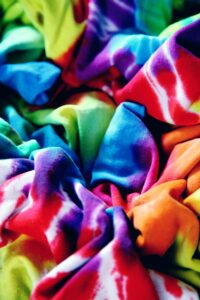
- Resist Dyeing: Techniques like tie-dye, batik, and shibori where parts of the fabric are shielded from dye to create unique patterns.
Innovative Dyeing Technologies
The textile industry has embraced innovative technologies to improve dyeing efficiency and sustainability:
- Digital Printing: Uses computer-controlled inkjet technology to apply dyes directly onto the fabric, allowing precise designs and reduced waste.
- Waterless Dyeing: Techniques like CO2 dyeing eliminate the need for water, minimizing environmental impact and saving resources.
- Eco-Friendly Dyes: Development of low-impact dyes with biodegradable properties and reduced toxicity.
Conclusion
Textile dyeing is an art and science that brings life and identity to fabrics. With a rich history and ongoing innovations, the industry continues to balance creativity, quality, and sustainability. As demand for vibrant and eco-friendly textiles grows, advancements in dyeing processes and techniques will play a vital role in shaping the future of the textile world.