
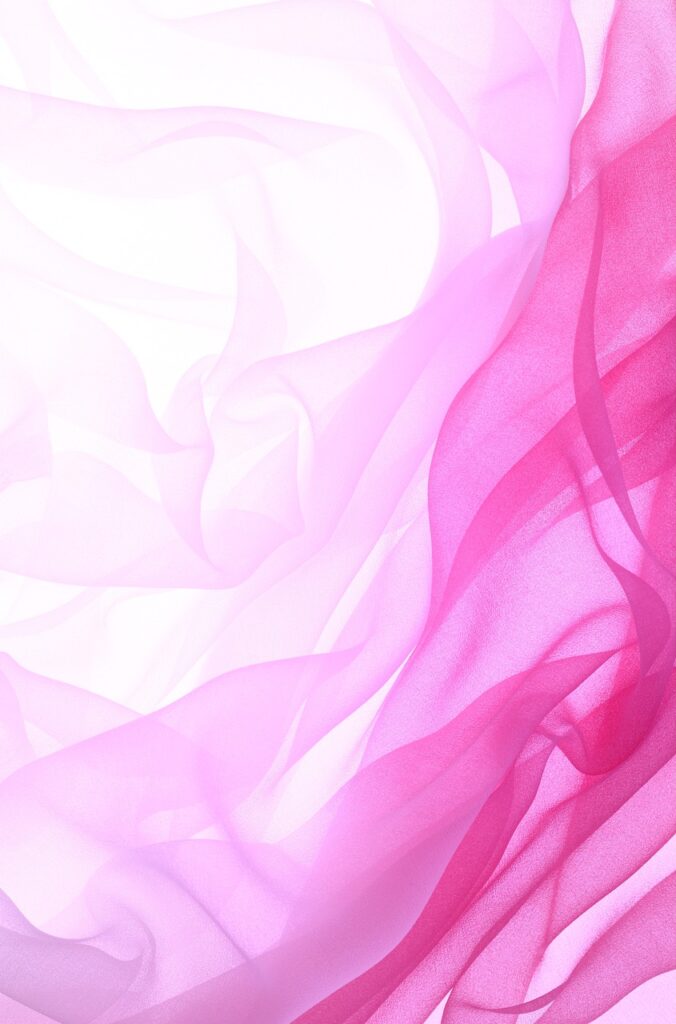
Organza fabric, a delicate and ethereal textile, has long been revered for its sheer beauty and luxurious appeal. A staple in high fashion, bridal wear, home decor, and even traditional attire across cultures, organza stands out with its crisp texture, lightweight feel, and a subtle sheen that exudes sophistication. This article delves deep into the origins, characteristics, types, uses, and care of organza fabric, providing an insightful look into its significance in the textile industry.
Origins and History
The history of organza fabric dates back to the ancient Silk Road, where it was originally woven from silk fibers. The name “organza” is believed to have been derived from “Urgench,” a city in modern-day Uzbekistan, which was a major trading hub for fine silk textiles. Over time, the fabric gained popularity in Europe, especially during the Renaissance, as silk became a symbol of wealth and status.
Traditional organza was exclusively made from silk, making it an expensive and luxurious fabric. However, advancements in textile technology introduced synthetic fibers such as polyester and nylon, making organza more accessible and affordable while maintaining its signature crispness and sheen.
Characteristics of Organza Fabric
Organza fabric is known for its distinct properties that make it stand out in the world of textiles:
- Sheerness – One of the defining features of organza is its transparency, which lends it an airy and ethereal look.
- Crisp Texture – Unlike other sheer fabrics like chiffon, organza has a stiff texture, making it ideal for structured garments and decorative elements.
- Lightweight – Despite its stiffness, organza remains lightweight, making it comfortable to wear and easy to drape.
- Lustrous Sheen – The natural or synthetic fibers used in organza give it a subtle shine, adding to its luxurious appeal.
- Breathability – Due to its open weave, organza is highly breathable, making it suitable for warm climates and layering.
- Delicate Yet Strong – While it appears fragile, high-quality organza is surprisingly durable, especially when handled with care.
Types of Organza Fabric
Organza is available in different varieties, each serving unique purposes. Some of the most popular types include:
- Silk Organza – The most luxurious and traditional form of organza, made from pure silk, known for its exquisite softness and natural sheen.
- Polyester Organza – A more affordable alternative to silk, polyester organza retains the fabric’s signature stiffness and shine while being more durable.
- Nylon Organza – Similar to polyester organza but with enhanced elasticity, making it a preferred choice for costume design and decorative applications.
- Crystal Organza – Known for its enhanced shimmer and smooth finish, crystal organza is widely used in evening gowns and bridal wear.
- Mirror Organza – Featuring a reflective surface, mirror organza is often chosen for extravagant fashion designs and stage costumes.
- Crushed Organza – With a distinctive crinkled texture, crushed organza adds a unique visual appeal to both apparel and home decor.
- Embroidered Organza – This variety includes intricate embroidery work, making it a popular choice for wedding dresses and traditional garments.
Uses of Organza Fabric
Organza fabric finds extensive applications across various industries due to its versatility and aesthetic charm.
1. Fashion Industry
Organza is widely used in couture and everyday fashion for its ability to create volume and structure. Some common fashion applications include:
- Wedding Gowns & Evening Dresses – Organza overlays add a dreamy, fairy-tale touch to bridal and evening wear.
- Veils & Accessories – Its sheer and lightweight nature makes it perfect for delicate veils, wraps, and scarves.
- Blouses & Skirts – Organza blouses and skirts bring a chic, contemporary feel to casual and formal outfits.
- Sarees & Traditional Attire – In countries like India, organza sarees and lehengas are highly prized for their elegant drape and intricate embroidery.
2. Home Decor
Organza is a popular choice for home decor, lending a touch of elegance and lightness to interiors.
- Curtains & Drapes – The fabric’s transparency allows for soft light diffusion, creating an inviting ambiance.
- Table Runners & Chair Covers – Used extensively in event decor, organza adds sophistication to table settings and banquet chairs.
- Throw Pillows & Canopies – Delicate organza accents enhance the visual appeal of living spaces.
3. Event & Wedding Decor
From weddings to gala events, organza is a go-to fabric for decorators due to its graceful aesthetic.
- Aisle Runners & Backdrops – The fabric’s flowing nature makes it ideal for dreamy wedding backdrops.
- Floral Wrapping & Bows – Often used to embellish floral arrangements and gift wrapping.
- Ceiling Drapes & Table Overlays – Creates a luxurious setting for banquets and special events.
4. Costumes & Theatrical Applications
Due to its ability to hold shape while remaining lightweight, organza is commonly used in costume design for theatrical performances, ballet tutus, and dance outfits.
Care and Maintenance of Organza Fabric
Despite its delicate appearance, organza requires special care to maintain its beauty and longevity. Here are some essential tips:
Washing Instructions
- Hand Wash Recommended – Silk organza should be hand-washed with mild detergent and cold water.
- Machine Wash with Caution – If machine washing synthetic organza, use a gentle cycle and place it in a mesh laundry bag.
- Avoid Harsh Chemicals – Bleach and strong detergents can damage the fabric’s fibers.
Drying Tips
Organza is a delicate, sheer fabric that requires special care when drying to maintain its crisp texture and appearance. Here are some drying tips:
- Air Drying is Best – Lay the fabric flat or hang it to dry naturally, avoiding direct sunlight to prevent discoloration.
- No Tumble Drying – High heat can shrink or damage organza fabric.
Ironing and Storage
- Use a Low-Heat Setting – Always iron organza on a low setting or use a steamer to remove wrinkles.
- Store in a Cool, Dry Place – Keep organza garments in breathable garment bags to prevent dust accumulation.
Organza fabric, with its timeless charm and multifaceted applications, continues to be a symbol of elegance and sophistication. Whether in high fashion, home decor, or event embellishments, its sheer beauty and versatility make it a cherished textile worldwide. With proper care, this delicate fabric can maintain its exquisite appeal for years, allowing it to grace countless creations with its ethereal presence.