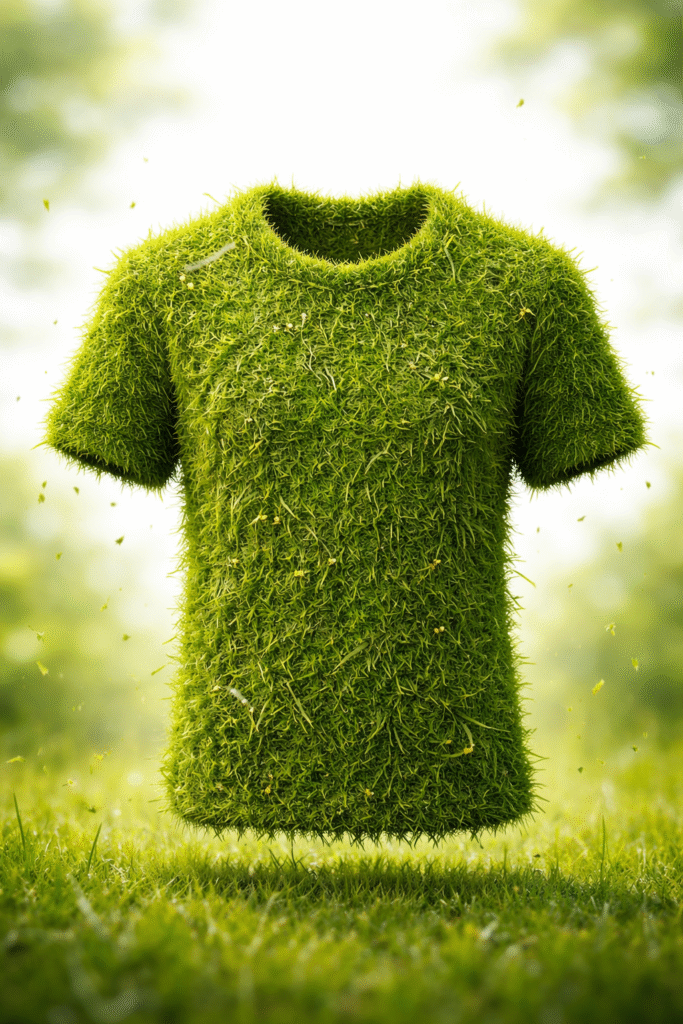
In today’s textile industry, sustainability is no longer a trend—it is a necessity. Among the most important eco-driven material innovations are regenerated cellulose fibres, which bridge the gap between natural comfort and industrial performance. Derived from plant-based cellulose yet engineered through controlled chemical processes, these fibres offer the softness of cotton, the drape of silk, and a significantly lower environmental footprint than many synthetics.
The three most commercially significant regenerated fibres are Viscose, Modal, and Lyocell. While all originate from cellulose, their manufacturing technologies and performance characteristics differ in important ways.
Understanding Regenerated Cellulose Fibres
Regenerated cellulose fibres are produced by dissolving natural cellulose (from wood pulp, bamboo, or other plant sources) into a liquid solution and then reforming it into fibres through extrusion. Unlike natural fibres such as cotton, the polymer structure is broken down and rebuilt, allowing engineers to control strength, luster, absorbency, and environmental performance.
Key advantages of regenerated cellulose fibres include:
-
- High moisture absorbency
-
- Breathability and skin comfort
-
- Biodegradability under suitable conditions
-
- Excellent dye affinity for rich, vibrant colors
-
- Versatility across fashion, home textiles, and technical applications
Here we will discuss about …
Viscose
Modal
Lyocell
Viscose: The Pioneer of Regenerated Fibres
Viscose is the oldest and most widely used regenerated cellulose fibre, often referred to as rayon. It is produced by treating wood pulp with caustic soda and carbon disulfide to form a viscous solution, which is then extruded into an acid bath to regenerate the cellulose.
Key Properties of Viscose
-
- Soft hand feel similar to cotton
-
- Excellent drape and flow
-
- High breathability and comfort
-
- Good dye uptake and color brilliance
-
- Moderate strength, weaker when wet
Common Applications
Viscose is extensively used in:
-
- Dresses, shirts, scarves, and linings
-
- Home textiles such as curtains and upholstery blends
-
- Nonwovens, wipes, and hygiene products
Limitation: Traditional viscose production is chemical-intensive and water-heavy, raising environmental concerns when not managed responsibly.
Modal: The Stronger, More Durable Evolution
Modal is a second-generation modified viscose fibre, developed to overcome the strength and dimensional instability issues of regular rayon. It uses beechwood as the primary raw material and is spun using a process that creates a higher degree of polymer orientation.
Key Properties of Modal
-
- Up to 50% stronger than viscose (especially when wet)
-
- Extremely smooth, silky surface
-
- High resistance to shrinkage and pilling
-
- Superior moisture management
-
- Excellent shape retention
Common Applications
Modal is favored for:
-
- Premium underwear and lingerie
-
- Activewear and loungewear
-
- T-shirts, sleepwear, and fashion knits
-
- Blended yarns with cotton and elastane
Modal occupies a luxury-performance niche, offering the comfort of viscose with enhanced durability and wash stability.
Lyocell: The Most Sustainable Regenerated Fibre
Lyocell represents the third generation of regenerated cellulose fibres and is widely recognized as the most environmentally advanced. Unlike viscose and modal, lyocell is produced using a closed-loop solvent-spinning process with N-methylmorpholine N-oxide (NMMO), where over 99% of the solvent is recycled.
The best-known commercial lyocell is produced by Lenzing under controlled sustainable forestry programs.
Key Properties of Lyocell
-
- Very high tensile strength (wet and dry)
-
- Smooth surface with low fibrillation (in modern grades)
-
- Outstanding moisture regulation
-
- Naturally antibacterial environment
-
- Fully biodegradable under industrial composting conditions
Common Applications
Lyocell is used in:
-
- High-end fashion and denim
-
- Performance sportswear
-
- Medical and hygiene textiles
-
- Bed linens and premium home textiles
Lyocell is often considered the gold standard of sustainable regenerated fibres.
Environmental Impact & Sustainability
While all three fibres originate from renewable plant resources, their environmental footprints are determined by the production process rather than the raw material alone.
-
- Viscose: Can be environmentally harmful if chemicals are poorly managed. However, certified sustainable viscose with responsible chemical recovery is improving rapidly.
-
- Modal: More resource-efficient than viscose, with better durability and reduced fiber loss.
-
- Lyocell: Sets the benchmark for closed-loop manufacturing and low emissions.
Certifications such as FSC®, PEFC™, OEKO-TEX®, and EU Ecolabel play a critical role in verifying responsible sourcing and processing.
Why Regenerated Cellulose Fibres Matter for the Future ???
The global textile industry is under pressure to reduce:
-
- Microplastic pollution from synthetics
-
- Excessive water use in cotton cultivation
-
- Carbon emissions across supply chains
Regenerated cellulose fibres offer a balanced solution: renewable origins, versatile performance, and compatibility with circular textile systems. With ongoing advances in solvent recovery, enzyme processing, and fiber recycling, these materials are becoming central to the next generation of sustainable fashion and technical textiles.
Final Thoughts
Viscose, Modal, and Lyocell may share the same cellulose ancestry, but they represent three distinct stages of technological evolution. From mass-market comfort to premium performance and eco-leadership, regenerated cellulose fibres now serve nearly every segment of the textile value chain.
As brands shift toward greener material portfolios, and consumers demand transparency and comfort together, these fibres will continue to play a defining role in the sustainable transformation of global textiles.