The Button: A Small Object with a Big Impact on Fashion
Button pays a very important role in clothing technology. These small fasteners, often made of plastic, metal, wood, or shell, play an essential role in both the function and fashion of garments. Though they may seem mundane, buttons have a rich history, diverse uses, and a unique charm that continues to evolve with fashion trends and technology.
A Brief History of Buttons
It wasn’t until the 13th century in Europe that buttons began to be used functionally, sewn onto garments and paired with buttonholes to secure clothing. This innovation allowed for a more tailored fit, which was a major advancement in fashion at the time.
Wealthy individuals wore garments adorned with intricately carved buttons made from precious materials like ivory, silver, or mother of pearl. By the 18th and 19th centuries, button-making had become a thriving industry, especially in places like Birmingham, England, which became known as a hub for button manufacturing.
The Functionality of Buttons
Buttons serve several functional purposes:
- Fastening: Their primary role is to secure pieces of fabric together, commonly in shirts, pants, jackets, and coats.
- Adjustment: Buttons help adjust fit, especially at the cuffs, waistlines, or necklines.
- Decoration: Even when not functional, buttons are often added for aesthetic value to enhance a garment’s design.
- Symbolism and Identity: Uniform buttons often display logos or insignias representing military ranks, schools, or companies.
Types of Buttons
Here are some common types:
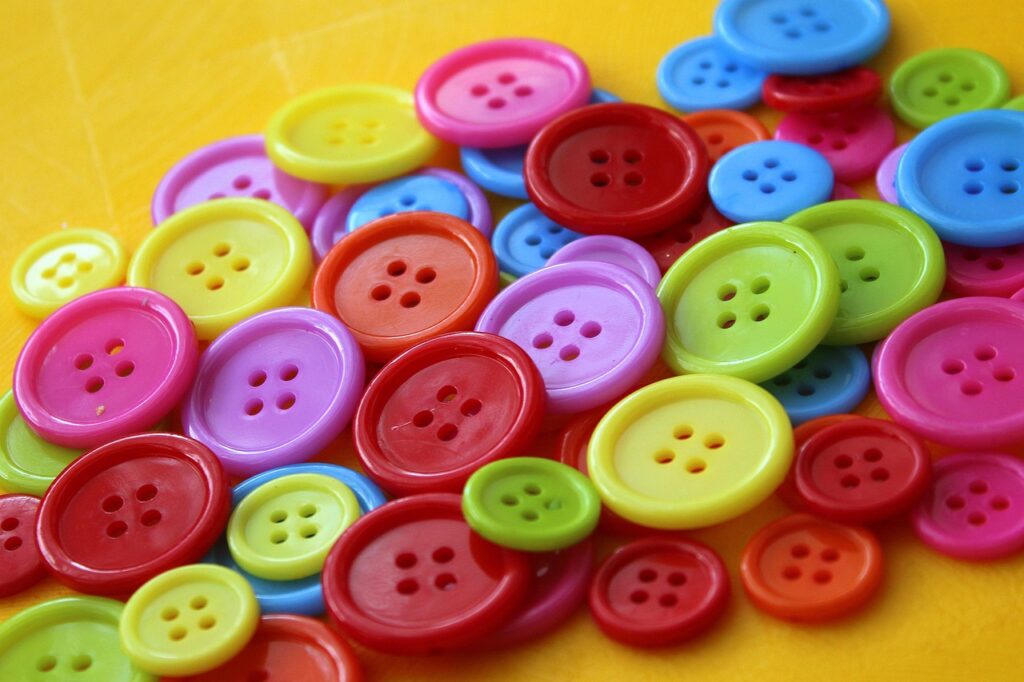
- Flat Buttons: The most typical variety, flat buttons usually have two or four holes and are sewn directly onto the garment.
- Shank Buttons: These have a protruding loop (shank) on the back, making them ideal for thicker fabrics or where a raised button is preferred.
- Snap Buttons: Also known as press studs, they consist of two interlocking discs and are common in casual wear, baby clothes, and accessories.
- Toggles: Often seen on duffle coats, toggles are cylindrical or bar-shaped buttons paired with loops.
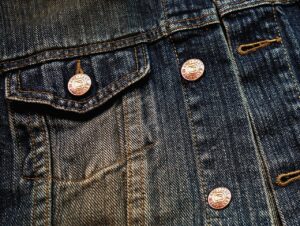
- Stud Buttons: Popular in denim and Western-style shirts, these are strong and typically made of metal.
- Fabric-Covered Buttons: These are regular buttons encased in the same fabric as the garment for a seamless look.
Materials Used in Button Making
- Bone and Horn: Durable and traditional.
- Wood: Especially popular for rustic or handmade styles.
- Shell (Mother of Pearl): Iridescent and elegant, often used in luxury garments.
- Metal:Stainless steel, Brass, and copper are common for durability and design.
Modern buttons are more often made from:
- Plastic (Polyester or Nylon): Affordable, versatile, and easily mass-produced.
- Resin: For intricate designs and a glass-like finish.
- Recycled Materials: As sustainability becomes a priority, many manufacturers are exploring buttons made from recycled plastics, paper, or even plant-based bio-resins.
Button Manufacturing Process
The manufacturing process varies depending on the material, but generally follows these steps:
- Material Preparation: Raw material is cut or molded into shape.
- Shaping: Buttons are trimmed, polished, or carved.
- Drilling or Shanking: Holes are drilled, or a shank is attached.
- Dyeing and Coating: Buttons can be dyed to match fabrics or given finishes like gloss or matte.
- Engraving or Printing: Logos, patterns, or text can be added.
- Quality Control: Each batch is inspected for durability and appearance.
Buttons in Fashion
Buttons have evolved beyond function to become integral design elements. Designers often play with button placement, size, or materials to create unique looks. For instance, oversized buttons might be used to make a statement, while invisible buttons maintain a minimalist style.
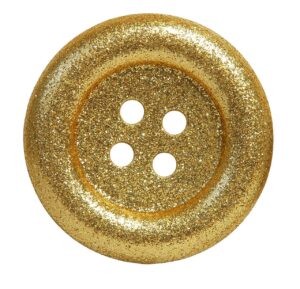
In haute couture, buttons can be custom-made works of art—hand-painted, embroidered, or even jeweled. Brands like Chanel and Dior often design exclusive buttons to complement their seasonal collections, turning these tiny accessories into emblems of luxury.
Cultural and Symbolic Significance
In many cultures, buttons carry symbolic meaning:
- Military and Political: Buttons on uniforms often represent rank, allegiance, or honor.
- Religious Garments: Certain religious attire includes buttons as part of ritual significance.
- Historical Artifacts: Buttons have been used to date archaeological finds, offering insight into fashion, trade, and technology of past civilizations.
Even in modern contexts, buttons can be meaningful. A vintage button might be kept as a memento, or a unique button might personalize a handmade garment.
Buttons in Pop Culture and Art
Buttons have found their way into popular culture. In the stop-motion film Coraline, buttons are used as a haunting motif. In art, they are often repurposed in mosaics or crafts. Their versatility and symbolic potential have made them a favorite among artists and designers alike.
There’s even a Button Museum in Illinois, USA, dedicated to showcasing the diversity and history of buttons—testament to their cultural importance.
The Sustainability of Buttons
As the fashion industry moves toward sustainability, buttons are part of the conversation. Eco-conscious brands are choosing biodegradable buttons, reducing plastic use, and emphasizing recyclability. Reusing buttons from old clothes is another simple yet effective way to reduce waste. Many crafters and DIY enthusiasts maintain button jars—a tradition passed down through generations—as a treasure trove for future projects.
Buttons and Technology
Even buttons are being reimagined with technology. Smart garments are starting to incorporate buttons that function as sensors, power sources, or even Bluetooth devices. These “smart buttons” could monitor heart rate, control music, or activate features in wearable tech.
Conclusion:
The humble button may be small, but it holds an outsized place in the world of garments. From its ancient origins to its role in modern fashion and tech, the button has evolved dramatically, always keeping pace with human creativity and need. Whether you’re fastening your shirt in the morning, admiring a vintage coat, or designing a cutting-edge wearable, remember—the button isn’t just a detail; it’s a legacy.