
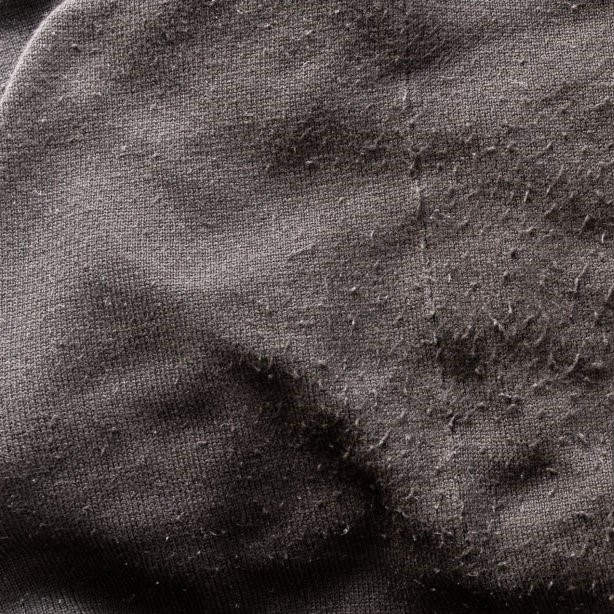
Fabric pilling is the formation of small, fuzzy balls of fiber (pills) on the surface of a fabric due to wear and friction. It happens when loose fibers on the fabric’s surface become tangled and form tiny knots. Pilling is common in materials like wool, polyester, and cotton blends, especially in high-friction areas like underarms, cuffs, and seat areas of clothing. Which parts of clothing that receive the most abrasion in day-to-day wear pilling normally creates there, such as the coller,cuffs and around the thighs When a fabric is made of a blend of fibers where one fiber is significantly stronger than the other, pills tend to form as the weaker fiber wears and breaks, and the stronger fiber holds the pills onto the cloth.
Causes of Fabric Pilling:
- Friction and Abrasion:
- Continuous rubbing or friction, like arms against the sides of a shirt or thighs rubbing together, causes fibers to loosen and tangle into pills.
- High-contact areas (e.g., underarms, cuffs, seat areas) are more prone to pilling.
- Fiber Type and Length:
- Short fibers (like those in wool, cotton blends, and some synthetics) are more likely to pill because they easily break away from the fabric surface.
- Synthetic fibers (like polyester and acrylic) are more prone to pilling because they have high strength and flexibility, causing pills to cling to the fabric rather than fall off.
- Fabric Construction:
- Loose weaves and knits allow fibers to move and rub against each other, leading to more pilling.
- Tightly woven fabrics are less likely to pill because the fibers are held more securely in place.
- Quality of the Fabric:
- Low-quality fabrics or cheaper blends often use shorter, weaker fibers, making them more prone to pilling.
- High-quality fabrics use long-staple fibers that are more durable and less likely to pill.
- Washing and Drying Methods:
- Aggressive washing cycles or high heat during drying can agitate fibers, causing them to break and pill.
- Overloading the washer or dryer increases friction between garments, leading to more pilling.
- Chemical Treatment and Finishes:
- Some finishing chemicals or softeners can weaken fibers, increasing the likelihood of pilling.
- Fabrics labeled as “anti-pill” have been chemically treated or specially woven to resist pilling.
How to Prevent Fabric Pilling:
- Choose High-Quality Fabrics:
- Opt for fabrics made from long-staple fibers (like Egyptian cotton or Merino wool), which are less likely to pill.
- Look for labels like “anti-pill” or “pill-resistant.”
- Select Tightly Woven Fabrics:
- Tightly woven fabrics are less prone to pilling compared to loosely knitted ones.
- Smooth fabrics like satin, denim, and twill are good choices.
Proper Washing Techniques to Prevent Fabric Pilling:

- Turn Garments Inside Out:
- Turning clothes inside out protects the outer surface from friction during washing and drying.
- This is especially effective for knitwear, sweaters, and printed fabrics.
- Use Gentle Wash Cycles:
- Select the delicate or gentle cycle on your washing machine.
- These cycles use slower agitation and reduce friction, which helps prevent fiber breakage and pilling.
- Choose Cold Water:
- Cold water is less abrasive on fibers compared to hot water.
- It also helps maintain the color and shape of the fabric.
- Wash Similar Fabrics Together:
- Group similar fabrics together (e.g., wash soft items with other soft items).
- Avoid mixing rough fabrics like denim or towels with delicate garments to reduce abrasion.
- Use a Mild Liquid Detergent:
- Opt for a gentle, liquid detergent that reduces friction and is kinder to fibers than powdered detergents.
- Avoid detergents with bleach or harsh chemicals, which can weaken fibers.
- Avoid Overloading the Washer:
- Overloading increases friction as clothes rub against each other.
- Leave enough space for clothes to move freely during the wash cycle.
- Utilize Mesh Laundry Bags:
- Place delicate or prone-to-pill garments in mesh laundry bags to reduce friction.
- This is especially useful for sweaters, knits, and lace garments.
- Skip the Fabric Softener on Some Fabrics:
- While fabric softeners reduce static and friction, they can coat certain fibers, leading to buildup and pilling.
- Use them sparingly or avoid them on moisture-wicking and synthetic fabrics.
- Hand Washing Delicate Items:
- For extremely delicate or high-quality garments, hand washing is the safest method.
- Use cold water and mild detergent, and gently agitate by hand to avoid friction.
How to Remove Fabric Pills
If your fabric already has pills, here are some effective ways to remove them:
- Fabric Shaver (Electric or Manual)
- A battery-operated or manual fabric shaver gently shaves off pills without damaging the fabric. This is the most effective method for sweaters, fleece, and upholstery.
- Sweater Comb or Lint Brush
- A fine-toothed comb or soft-bristle lint brush can remove pills by gently brushing over the surface.
- Scissors or Razor Blade
- Carefully trim off pills using small scissors or a disposable razor. Be gentle to avoid cutting into the fabric.
- Duct Tape or Velcro Strip
- Press a piece of tape or Velcro strip onto the fabric, then pull it away to remove loose pills.
Conclusion
Fabric pilling is a common issue caused by friction, fiber composition, and washing habits. While some fabrics are more prone to pilling than others, proper care can significantly reduce its occurrence. Choosing high-quality, tightly woven fabrics, washing clothes gently, and air drying can help maintain fabric integrity. If pilling does occur, simple tools like fabric shavers, sweater combs, and lint rollers can restore garments and upholstery. By taking these preventive measures, you can extend the life and appearance of your fabrics, keeping them looking fresh and new for longer.