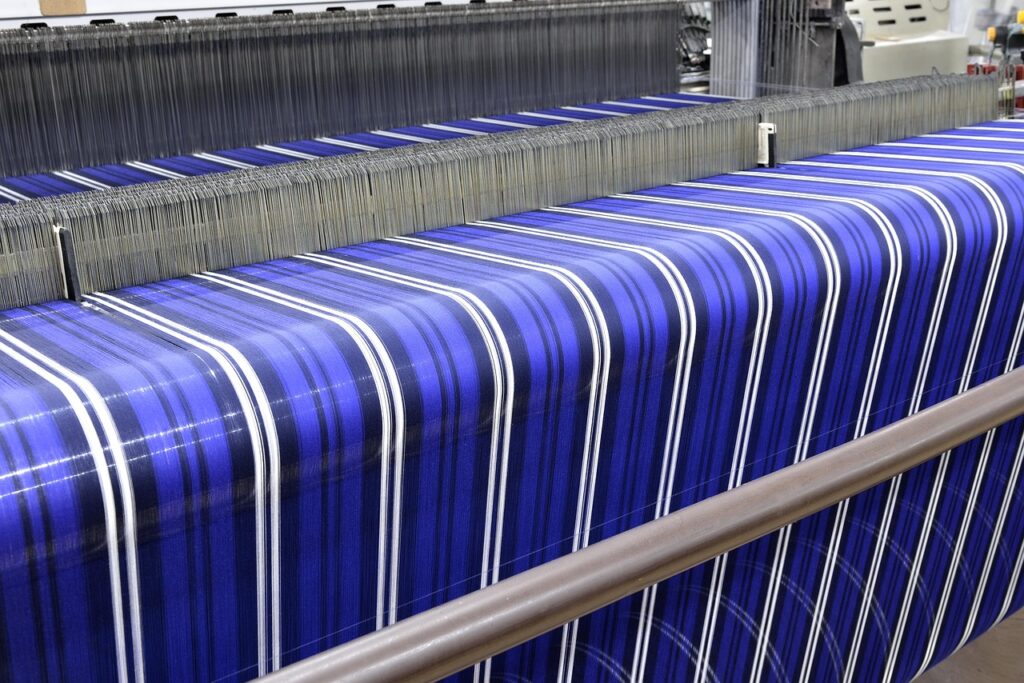
In the garment industry, fabric is the primary raw material used to create clothing and textile products. It’s a flexible material made by weaving, knitting, or bonding fibers together. Fabrics determine the look, feel, durability, and performance of the final garment, so choosing the right fabric is essential in design and production.
Fabrics can be categorized based on their fiber composition:
- Natural fibers: Cotton, linen, wool, silk
- Synthetic fibers: Polyester, nylon, spandex, acrylic
- Blended fibers: Cotton-polyester blends, wool-silk blends
They’re also classified by fabric construction:
- Woven fabrics: Made by interlacing yarns at right angles (like denim, poplin)
- Knitted fabrics: Made by looping yarns together (like jersey, rib knit)
- Non-woven fabrics: Bonded by heat, chemicals, or pressure (like felt)
In the garment industry, fabric properties — like weight, stretch, texture, and breathability — influence not just the style but also the practicality and comfort of the clothing. Fabric selection impacts cutting, sewing, and finishing processes, and ultimately the quality and cost of the final product.
What Is Fabric Inspection ?
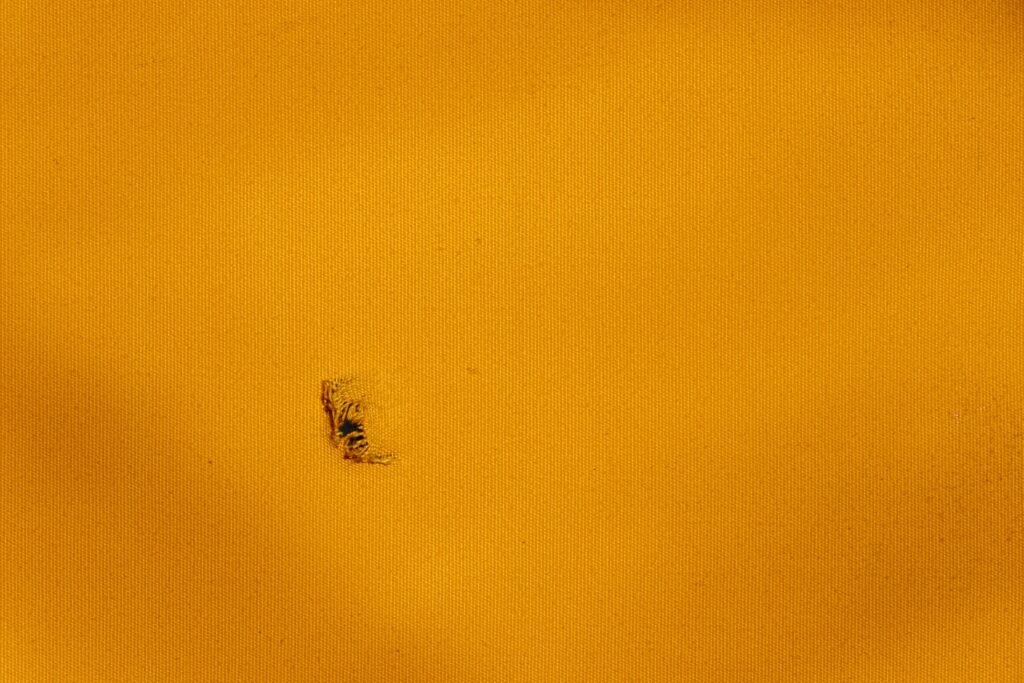
Fabric inspection is the process of examining fabric to identify any defects, inconsistencies, or quality issues before it’s used in garment production. It’s a crucial quality control step in the textile and garment industry, ensuring that only high-quality fabric moves forward in the manufacturing process.
During fabric inspection, the fabric is checked for:
- Visual defects: Stains, holes, misweaves, snags, or uneven dyeing
- Physical properties: Fabric width, weight, thickness, and shrinkage
- Color consistency: Ensuring the fabric color is even and matches the order specifications
- Print and pattern alignment: Checking for misaligned or distorted designs
- Tensile strength and stretch: Ensuring durability and proper performance of the fabric
One common method used is the 4-Point System, where defects are assigned points based on their size and severity — a total point count per roll determines whether the fabric is accepted or rejected.
Fabric inspection usually happens before cutting and sewing to avoid costly issues later in production.
Why is fabric inspection important?
Fabric inspection is important in the garment industry because it directly impacts the quality, efficiency, and cost-effectiveness of production. Here’s why it matters:
- Ensures Product Quality:
High-quality garments start with high-quality fabric. Inspecting fabric helps catch defects like stains, holes, or misweaves before production, ensuring the final product looks good and lasts longer. - Reduces Production Waste:
Defective fabric can lead to miscuts, sewing issues, and a high rejection rate of finished garments. By identifying issues early, fabric inspection prevents unnecessary waste of materials, time, and labor. - Saves Costs:
Catching fabric defects before production minimizes the need for costly repairs, rework, or replacements. It also reduces the chances of customer returns and complaints due to quality issues. - Improves Production Efficiency:
When fabric quality is consistent, the cutting and sewing processes run more smoothly. This reduces production delays and ensures on-time delivery of orders. - Maintains Brand Reputation:
Consistent quality builds trust with customers. A strong inspection process ensures that every garment meets quality standards, protecting the brand’s reputation in the market. - Verifies Supplier Compliance:
Fabric inspection helps confirm that the fabric received matches the specifications agreed upon — like color, weight, width, and texture — holding suppliers accountable for quality.
How it works?
Fabric inspection works through a systematic process to identify defects and ensure the fabric meets quality standards before it’s used in garment production. Here’s how it typically works:
- Preparation:
- Fabric Unrolling: The fabric roll is placed on an inspection machine or table, where it can be unrolled and examined easily.
- Lighting Setup: Proper lighting ensures that any visual defects, like stains, uneven dyeing, or holes, are clearly visible.
- Visual Inspection:
The inspector carefully checks the fabric’s surface for:
- Stains, spots, or discoloration
- Holes, tears, or snags
- Misweaves or missed stitches in knitted fabrics
- Pattern or print misalignment
- Creases or wrinkles
- Measurement Checks:
- Fabric Width: Ensuring the fabric width matches the order specification.
- Fabric Length: Verifying the total length of the fabric roll.
- Weight and GSM (Grams per Square Meter): Checking if the fabric weight matches the required density.
- Testing Physical Properties (if needed):
- Color Consistency: Checking for even dyeing and shade matching.
- Shrinkage and Stretch: Testing how much the fabric stretches or shrinks after washing.
- Tensile Strength: Ensuring the fabric is strong enough to withstand normal wear and tear.
- Defect Classification and Grading:
- Defects are categorized by type and severity.
- The 4-Point System is often used — assigning points based on the size and seriousness of each defect (1, 2, 3, or 4 points per defect). A fabric roll is graded based on total points per 100 square yards of fabric.
- Acceptance or Rejection:
Based on inspection results, the fabric roll is either:
- Accepted: If it meets the quality standards.
- Rejected: If it has excessive defects or doesn’t meet specifications.
- Sent for Correction: In some cases, minor issues can be fixed (like removing stains).
- Reporting:
A detailed inspection report is created, noting:
- Types and locations of defects
- Total defect points
- Fabric measurements and test results
- Final acceptance or rejection decision
How does the 4-point system work?
The 4-Point System is a standardized quality control system that assigns penalty points to fabric defects based on their size and severity. This system helps manufacturers determine whether a fabric roll meets the quality standards required for production.
How the 4-Point System Works:
- Fabric Inspection Setup:
- The fabric is unrolled and inspected on a flat inspection table or a fabric inspection machine.
- Proper lighting is used to ensure visibility of any defects.
- Inspection is usually done at a speed of 15-20 yards per minute.
- Identifying Defects: Inspectors carefully examine the fabric’s surface for defects like:
- Stains or spots
- Holes, tears, or snags
- Misweaves or misknits
- Uneven dyeing or shading
- Creases or wrinkles
- Print or pattern misalignment
- Assigning Points: Defects are assigned points based on their size:
- 1 point: Defects less than 3 inches
- 2 points: Defects between 3 and 6 inches
- 3 points: Defects between 6 and 9 inches
- 4 points: Defects over 9 inches
- No single defect can exceed 4 points, even if it’s very large.
- Calculating Total Points: Points are calculated per 100 square yards (or meters) of fabric:
- Total points = Sum of defect points in 100 square yards of fabric
- Advantages of the 4-Point System:
- Total points = Sum of defect points in 100 square yards of fabric
- Simple and easy to use
- Consistent and standardized
- Helps identify major and minor defects
- Minimizes production waste and improves quality control