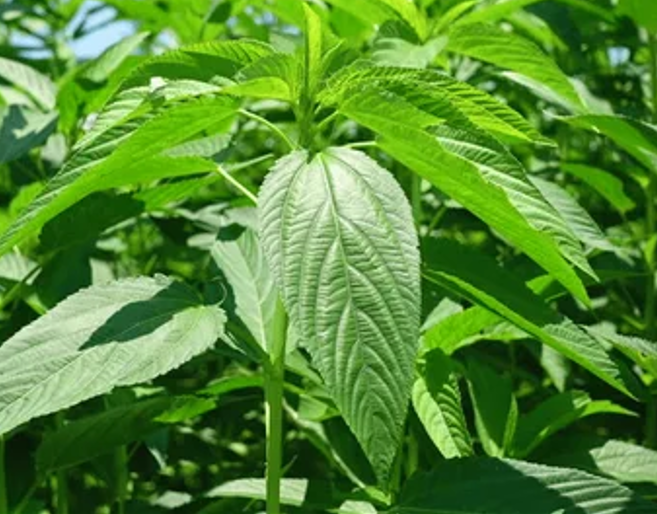
Jute is a natural textile fiber. Jute is obtained from the bark of two main species of plants in the Corchorus genus—Corchorus olitorius and Corchorus capsularis—primarily grown in warm, humid...
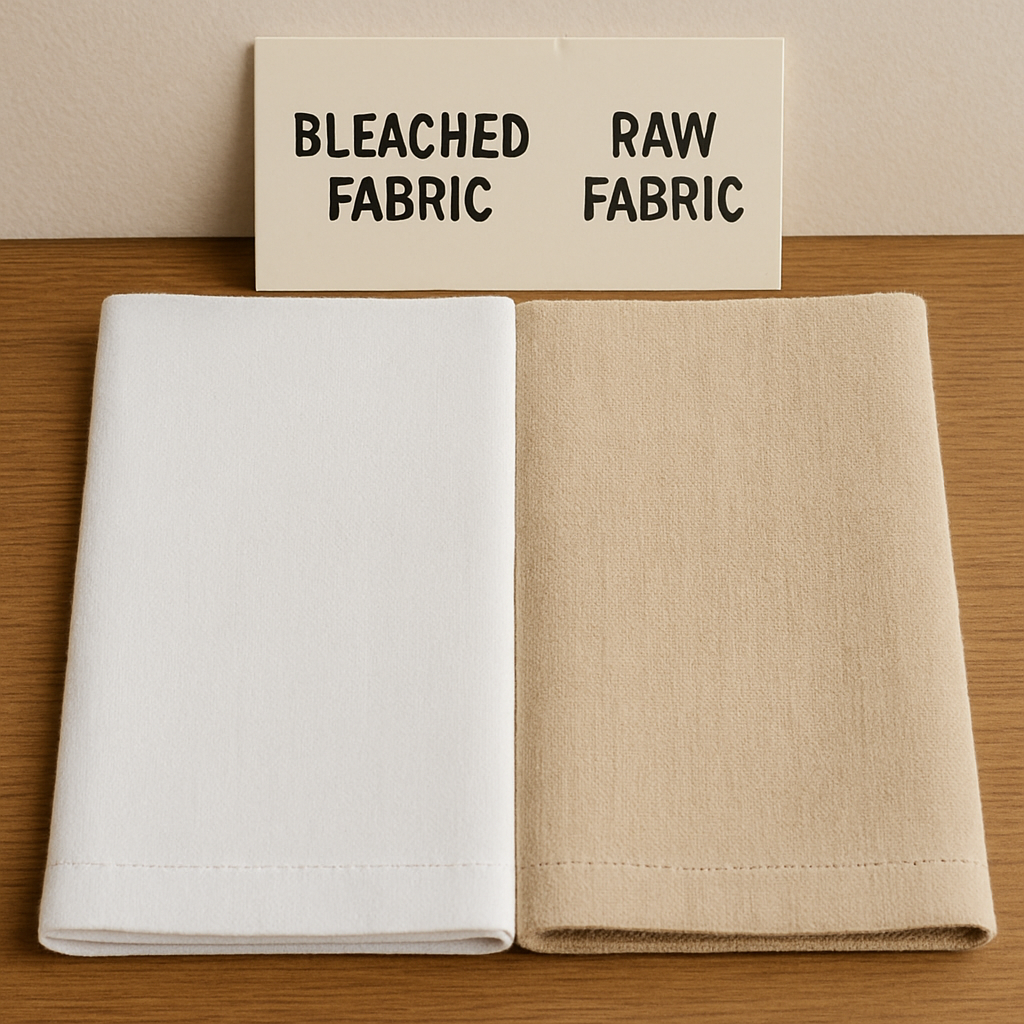
What Is Bleaching in the Textile Industry ? Bleaching is a pretreatment process in textile manufacturing that involves the removal of natural colorants, pigments, and impurities (such as waxes...

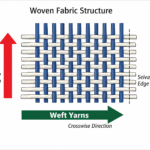
What is woven Fabric ? Woven fabric is a type of textile produced by interlacing two sets of yarns or threads at right angles to each other. This method of construction is one of the oldest and most...

Natural dyeing with food waste is a beautiful way to reconnect with traditional textile practices while embracing sustainability. This process transforms everyday kitchen scraps into vibrant...

Dyeing is one of the most critical stages in textile processing, where color is imparted to textile materials such as fibers, yarns, or fabrics. However, before dyeing can be carried out effectively...

The Button: A Small Object with a Big Impact on Fashion Button pays a very important role in clothing technology. These small fasteners, often made of plastic, metal, wood, or shell, play an essential...

One of the most critical operations in this sector is the cutting process. Cutting is the process of separating a spread of fabric into garment components as per the pattern shapes. It directly...

Textile printing is a method of applying designs, patterns, or motifs into fabric surfaces using dyes, pigments, or other colorants. This process allows for intricate and vibrant designs...

Yarn Count Yarn count is a fundamental concept in the textile industry, determining the fineness or coarseness of a yarn. It plays a crucial role in fabric quality, weight, and texture. Understanding...